Column · @branchandbrick
Crown Reduction vs. Selective Pruning: Which Approach Suits Your Tree?
Understanding the Difference Between Crown Reduction and Selective Pruning
When a tree grows too large for its space, or when its canopy becomes dense and unbalanced, homeowners often face a choice between two common pruning methods: crown reduction and selective pruning. Both aim to improve tree health, safety, and appearance, but they work in very different ways. Knowing which one to choose depends on your tree's condition, your goals, and the long-term health of the tree. A professional tree pruning service can assess your situation and recommend the best path forward, but understanding the basics helps you make an informed decision.
What Is Crown Reduction?
Crown reduction is a pruning technique that reduces the overall size of a tree's canopy by cutting back the ends of branches to a lateral branch that is at least one-third the diameter of the removed limb. The goal is to decrease the height and spread of the tree while preserving its natural shape. This is not the same as topping, which removes large branches indiscriminately and damages the tree. Proper crown reduction targets specific limbs to maintain the crown structure and avoid leaving stubs that invite decay.
This method is often used when a tree has outgrown its planting area, is interfering with power lines, or needs more roof clearance. It can also help balance a lopsided canopy caused by storm damage or uneven growth. Because the cuts are made at strategic points, the tree can recover more easily and continue to grow in a controlled manner. However, crown reduction should be performed sparingly; removing too much live wood at once can stress the tree and reduce its ability to photosynthesize.
What Is Selective Pruning?
Selective pruning, also known as selective thinning or structural pruning, focuses on removing specific branches to improve the tree's form, health, and safety without significantly changing its overall size. The arborist targets dead branches, crossing limbs, weak attachments, and branches that rub against each other. This method enhances light penetration and air movement through the canopy, which reduces the risk of fungal diseases and pest infestations.
Clearance pruning is a common form of selective pruning where branches are removed to provide space for buildings, walkways, or vehicles. Unlike crown reduction, which reduces the tree's footprint, selective pruning maintains the tree's natural silhouette while eliminating problem areas. It is a gentler approach that supports long-term tree health and is often recommended for younger trees that need to develop a strong framework.
Key Differences at a Glance
- Goal: Crown reduction reduces the tree's overall size; selective pruning removes specific problem branches while keeping the tree's size largely unchanged.
- Impact on shape: Crown reduction alters the outer profile; selective pruning preserves the natural crown structure.
- Recovery time: Crown reduction requires more recovery because more live wood is removed; selective pruning is less stressful and heals faster.
- Best use: Crown reduction is for overgrown trees near structures or utilities; selective pruning is for routine maintenance, health improvement, and clearance.
When Crown Reduction Makes Sense
Crown reduction is the better choice when a tree has grown too large for its location and cannot be removed or transplanted. For example, a mature oak that now shades most of your roof and drops heavy limbs during storms may need a reduction to reduce wind resistance and the risk of branch failure. Similarly, trees that have been damaged by a storm and have lost major limbs may need reduction to rebalance the canopy and prevent further breakage.
Another scenario is when a tree's height threatens power lines or blocks a view. Reducing the crown by cutting back to strong lateral branches can solve the problem without removing the tree entirely. It is also used in storm preparation, where reducing the canopy's sail area can make the tree less likely to uproot or snap during high winds.
However, crown reduction is not a routine procedure. It should be done by a qualified arborist who understands tree biology and makes cuts at the branch collar to promote proper wound closure. Over-reduction can lead to weak regrowth, sunburn on previously shaded bark, and a shortened lifespan for the tree.
When Selective Pruning Is the Better Option
Selective pruning is ideal for routine maintenance and health care. If your tree has dead branches that could fall and cause injury or property damage, removing them is a priority. Dead wood is brittle and often drops without warning, especially during storms. Selective pruning also addresses crossing branches that rub together, creating wounds that invite insects and disease. By removing one of the rubbing limbs, you prevent future decay.
Structural pruning is especially important for young trees. By selectively removing poorly attached branches early, you guide the tree into a strong, balanced form that will need fewer major interventions later. For mature trees, selective pruning can extend their healthy life by removing weak or diseased wood and improving airflow through the canopy.
Clearance pruning is another common reason for selective pruning. Branches that touch the roof, block a driveway, or hang over a walkway can be trimmed back without reducing the whole crown. This targeted approach solves the immediate problem while keeping the tree's character intact.
Trade-offs and Judgment Calls
Choosing between crown reduction and selective pruning is not always straightforward. A tree that is simply too tall for its spot may need reduction, but if the tree is already stressed or in decline, reduction could push it over the edge. In such cases, removal might be the only safe option. On the other hand, a tree that has a few dead limbs and a healthy canopy will benefit more from selective pruning than from a full reduction.
The timing of pruning also matters. Late winter or early spring, before new growth begins, is often the best time for both methods because the tree is dormant and wounds heal quickly. However, dead branches can be removed at any time for safety reasons. An experienced arborist will evaluate the tree's species, age, condition, and the local climate before recommending a specific approach.
For homeowners in Dallas, Georgia, the local climate and common tree species like oaks, pines, and maples influence which method works best. A professional tree pruning service familiar with the area can provide guidance tailored to your property. Companies such as Tree Service Dallas GA offer assessments that consider both the tree's needs and your safety concerns. They can explain why one method is preferable for your particular tree and how to avoid common mistakes like over-pruning or making improper cuts.
How to Prepare for a Pruning Job
Before scheduling work, walk around your property and note any branches that concern you. Look for dead wood, limbs that rub against the house or roof, and branches that hang low over driveways or play areas. Think about your goals: Do you want more light in the yard? Do you want to reduce the risk of storm damage? Do you want to improve the tree's shape? Sharing these observations with your arborist helps them choose the right method.
Ask about the pruning plan before work begins. A reputable service will explain which branches will be cut, why, and how the cuts will be made. They should also discuss how much live wood will be removed. Removing more than 25% of the live canopy in a single season is generally not recommended, as it can stress the tree and lead to decline. If the plan involves heavy reduction, make sure it is done in stages over several years if possible.
Common Mistakes to Avoid
One of the most damaging practices is topping, where large branches are cut back to stubs without regard for the branch collar or the tree's natural growth pattern. Topping leads to weak, dense regrowth that is more prone to breaking and invites decay. Never accept topping as a pruning method. Another mistake is removing too many interior branches, which can strip the tree of its energy-producing leaves and expose the trunk to sunscald.
Improper cuts that leave a stub or cut into the branch collar also harm the tree. The branch collar is the swollen area where the branch meets the trunk or a larger limb. Cutting into it damages the tree's natural defense system and slows wound closure. A proper pruning cut is made just outside the branch collar, leaving the tree's protective zone intact.
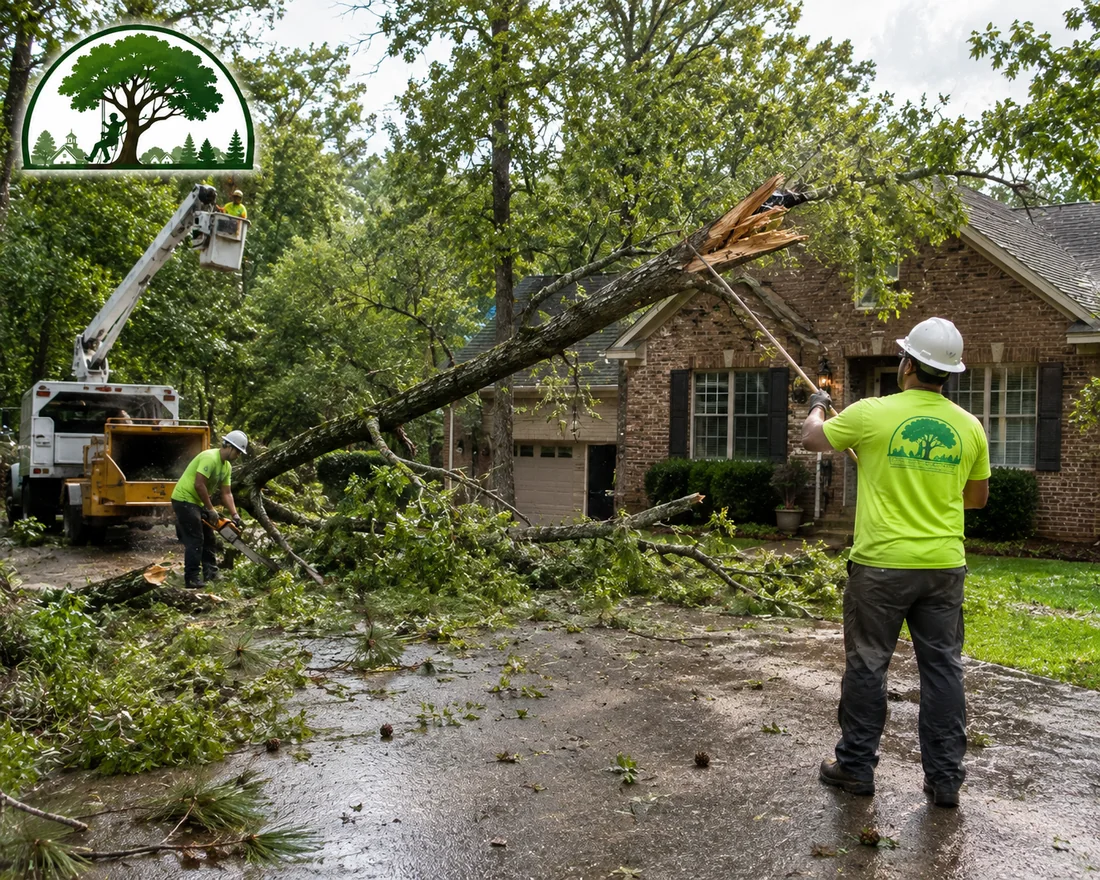
Finally, do not attempt major pruning work yourself if it involves climbing or using a chainsaw above ground level. Working at height is dangerous and requires specialized training and equipment. Leave high pruning to professionals who have the skills and insurance to do the job safely.
Making the Right Choice for Your Tree
Both crown reduction and selective pruning have their place in tree care. The best method depends on your tree's condition, your goals, and the expertise of the arborist you hire. If your tree is healthy but too large for its location, consider crown reduction. If it has dead branches, crossing limbs, or needs better clearance, selective pruning is likely the better choice. For trees that need both, a combined approach over multiple seasons may be the answer.
When you contact a Tree Service Dallas GA provider, ask about their experience with both techniques and how they assess which one to use. A good arborist will take the time to explain their reasoning and help you understand what to expect. With the right care, your trees will remain safe, healthy, and beautiful for years to come.